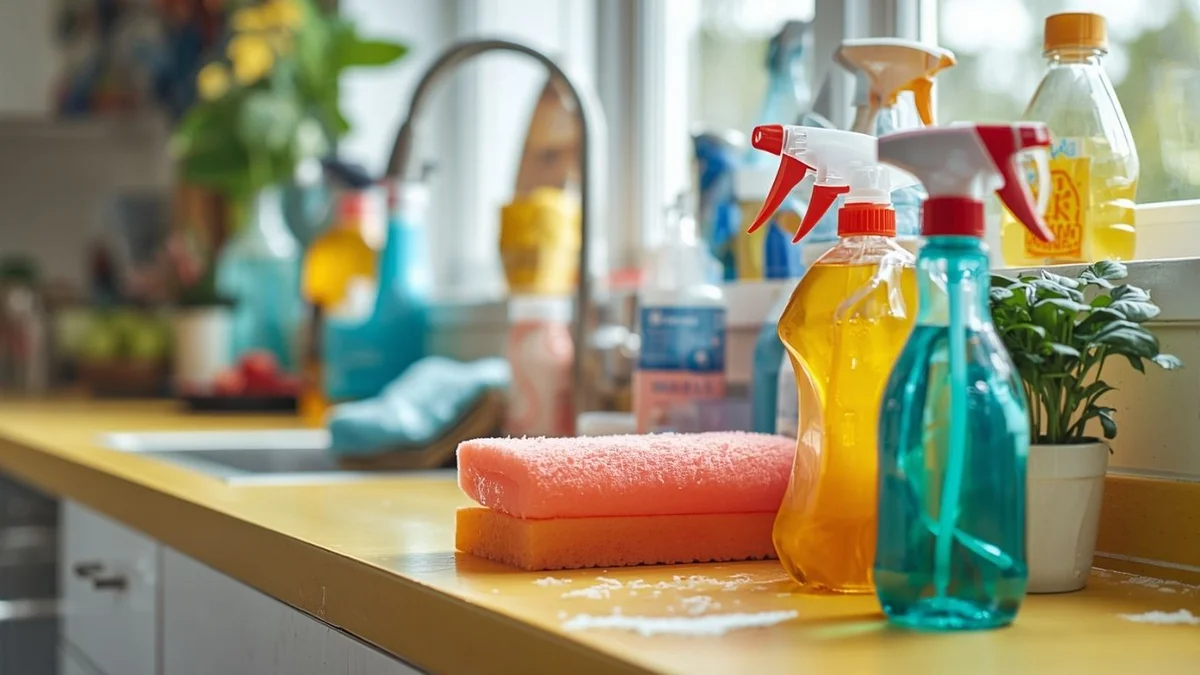
Keeping a home clean on a weekly basis is one of the best ways to maintain a comfortable and welcoming living environment. Regular tasks such as vacuuming, wiping countertops, cleaning bathrooms, and mopping floors help control everyday dirt and clutter. However, weekly cleaning alone is not always enough to address the deeper buildup that develops throughout a home over time.
Many areas collect dust, grease, allergens, bacteria, and grime in ways that are not immediately visible. Because these spaces are often overlooked during routine cleaning sessions, they gradually accumulate contaminants that can affect cleanliness, indoor air quality, and the overall condition of the home.
Understanding which areas require more than weekly attention can help homeowners create a more effective cleaning strategy. By combining recurring maintenance with periodic deep cleaning, households can better protect surfaces, reduce hidden buildup, and maintain a healthier environment year round.
Many local families rely on Carnation Home Cleaning to help address areas that need more detailed attention beyond standard weekly cleaning routines.
Weekly cleaning focuses primarily on visible surfaces and high traffic areas. While these tasks are essential, many parts of a home experience gradual accumulation that requires a deeper approach.
Dust settles in hidden locations. Grease forms layers inside kitchens. Moisture creates residue in bathrooms. Airborne particles collect inside vents, upholstery, and fabrics. Over time, these substances become more difficult to remove through routine maintenance alone.
Deep cleaning addresses areas that are not typically included in weekly cleaning schedules. These tasks help remove long term buildup while supporting a cleaner and healthier home environment.
The kitchen is one of the hardest working areas of any home. Daily cooking activities create grease, food particles, spills, and residue that can accumulate in places that are easy to overlook.
While stovetops may receive regular attention, oven interiors often go months without thorough cleaning. Food splatters, grease, and burned residue continue building up after every use.
A deep cleaning removes stubborn buildup that cannot be addressed through simple surface wiping.
Spills, crumbs, and food residue can collect inside refrigerators over time. Weekly cleaning may focus on exterior surfaces while interior compartments remain neglected.
Periodic deep cleaning helps improve cleanliness and organization throughout the appliance.
Dust, food particles, and debris often accumulate behind refrigerators, stoves, and dishwashers. These hidden spaces can become significant sources of dirt buildup throughout the kitchen.
Cabinets may appear clean from the outside, but interior surfaces often collect dust, crumbs, and food residue over time.
Cleaning shelves, corners, drawer interiors, and pantry storage spaces helps prevent long term accumulation that can attract pests and affect overall kitchen cleanliness.
Dust naturally settles on upper shelves and cabinet tops. These areas are rarely included in weekly cleaning routines.
Dry goods, spices, and food containers can leave residue behind. Regular deep cleaning helps maintain cleaner storage conditions.
Kitchen drawers often accumulate crumbs and fine debris that remain hidden until items are removed.
Bathrooms experience constant exposure to moisture, making them prone to buildup that extends beyond routine cleaning.
Weekly cleaning may keep surfaces looking presentable, but deeper maintenance is often necessary to address hidden grime and residue.
Grout is porous and can absorb dirt, soap residue, and moisture. Over time, discoloration and buildup become noticeable.
Deep cleaning helps restore a cleaner appearance while reducing trapped contaminants.
Soap scum gradually forms layers on shower surfaces. Regular wiping may not fully remove residue that accumulates over months of use.
Hard water deposits and mineral buildup commonly develop around sinks, showerheads, and faucets.
These areas benefit from periodic attention beyond weekly maintenance.
Furniture may look clean on the surface while trapping dust, allergens, pet hair, and debris deep within fabrics and cushions.
Daily use causes particles to settle into cushions, seams, and fabric fibers. Vacuuming visible surfaces helps, but deeper cleaning is often necessary to remove embedded contaminants.
Frequently used seating areas collect body oils, dust, and airborne particles over time.
Hidden debris often accumulates beneath removable cushions where routine cleaning rarely reaches.
Professional deep cleaning Service solutions help address overlooked areas that contribute to long term buildup throughout the home.
Vacuuming is important for removing surface dirt, but it does not eliminate everything trapped within carpet fibers.
Dust mites, allergens, pet dander, and fine particles gradually settle deep into flooring materials.
Hallways, entryways, and living rooms experience constant foot traffic. Dirt becomes embedded deeper into fibers with continued use.
Rugs often trap particles beneath their surfaces and underneath the rug itself.
Even low traffic bedrooms accumulate dust and allergens that benefit from periodic deep cleaning.
Baseboards are among the most frequently overlooked surfaces in a home. Dust naturally settles along edges and corners where airflow slows.
Although these areas may seem minor, accumulated buildup can significantly affect the overall appearance of a room.
Busy traffic patterns often push dust and debris toward room edges.
Dust accumulation around trim becomes noticeable over time when neglected.
Baseboards along staircases often collect dirt from frequent movement between floors.
Dust gathering on elevated surfaces eventually falls or circulates back into living spaces.
Fans distribute dust throughout rooms every time they operate if buildup is not removed regularly.
Light fixtures attract airborne particles that accumulate over time.
These locations are often forgotten during routine cleaning schedules.
Indoor air quality depends heavily on the cleanliness of HVAC systems and ventilation components.
Dust gathers around vent openings and can recirculate throughout the home.
Return vents collect significant amounts of airborne particles over time.
Dust often settles around ventilation areas and contributes to indoor buildup.
Windows contribute significantly to a home's appearance, but several surrounding components are often neglected.
Tracks collect dirt, dust, and debris that can become difficult to remove if ignored.
Airborne particles settle on horizontal surfaces near windows throughout the year.
Dust accumulates quickly on individual slats and can affect indoor air quality.
Bedrooms are often viewed as cleaner spaces because they experience less activity than kitchens or living rooms. However, they still accumulate substantial amounts of dust and allergens.
Mattresses collect skin cells, dust mites, and allergens over time.
Dust often gathers around joints, corners, and decorative details.
Large amounts of hidden dust can accumulate beneath beds without regular attention.
Many families appreciate learning why homeowners work with Carnation Home Cleaning because maintaining these often overlooked areas can be challenging without professional assistance.
Laundry spaces experience constant use but rarely receive detailed cleaning.
Lint, dust, and debris collect in hidden spaces around appliances.
Cleaning products and supplies often leave residue on storage surfaces.
Dust accumulates quickly in corners where airflow is limited.
Entryways serve as the first line of defense against dirt entering the home.
Dust and fingerprints build up around frequently used entrances.
Outdoor contaminants accumulate heavily in these locations.
Coat closets and entryway storage spaces often collect dust and debris.
Deep cleaning removes buildup that routine maintenance cannot fully address. This contributes to cleaner surfaces, improved indoor freshness, and a more comfortable living environment.
Removing accumulated dust, allergens, grease, and grime also helps preserve the appearance of flooring, fixtures, furniture, and household surfaces.
Regular deep cleaning complements weekly maintenance by targeting areas that require more intensive attention.
Homeowners looking for additional cleaning strategies can explore more guides and insights covering practical ways to maintain cleaner homes throughout the year.
The ideal frequency depends on household size, pets, lifestyle, and cleaning habits. Many homeowners benefit from scheduling deep cleaning services several times throughout the year.
Situations that commonly warrant deeper cleaning include:
Waiting until buildup becomes visible often makes cleaning more difficult and time consuming.
Weekly cleaning plays an important role in keeping homes comfortable and organized. However, some areas require a deeper level of attention to prevent gradual accumulation of dust, grime, allergens, and residue.
Addressing hidden spaces, elevated surfaces, upholstery, flooring, appliances, and ventilation components helps create a cleaner and healthier environment. Combining routine maintenance with periodic deep cleaning allows homeowners to protect their investment while improving overall living conditions.
When it is time to address areas that need more than weekly cleaning, consider taking the next step and schedule your appointment for professional support tailored to your home's needs.
Weekly cleaning focuses on routine maintenance tasks, while deep cleaning targets accumulated dirt, grime, dust, and buildup in areas that are often overlooked.
Kitchens, bathrooms, upholstery, carpets, vents, baseboards, ceiling fans, windows, and appliance interiors commonly benefit from deep cleaning.
Many homeowners schedule deep cleaning several times each year depending on household activity, pets, allergies, and overall maintenance needs.
These areas collect significant amounts of dust that can affect overall cleanliness and indoor air quality.
Yes. Deep cleaning helps remove dust, pet dander, pollen, and other allergens that accumulate throughout the home over time.
Yes. Beginning with a deep cleaning often creates a cleaner baseline that can be maintained more effectively through ongoing recurring cleaning visits.